Dr. Ijaz Ahmad, MD, FACC, is a non-invasive nuclear cardiologist, healthcare entrepreneur, and philanthropist whose career has been defined by a single guiding idea: quality healthcare should reach the people who need it most. As the Founder and Medical Director of Park Slope Cardiac & Diagnostic Center in Brooklyn, New York, Dr. Ahmad built his practice in Park Slope and has since expanded into underserved communities such as Brownsville, Flatbush, and other underserved areas of New York City, all while advancing preventive cardiology, mentoring the next generation of physicians, and leading civic and philanthropic initiatives on two continents.
From Gujranwala to New York
Ijaz Ahmad was born in Gujranwala, Pakistan, where he witnessed firsthand the devastating toll of heart disease in communities without access to cardiac care. That early experience shaped the direction of his life and inspired him to pursue cardiology not simply as a profession, but as a way to close the gap between illness and access. He earned his medical degree from Allama Iqbal Medical College before immigrating to the United States, a journey he describes as the greatest influence on his life.
In New York, Dr. Ahmad completed his residency at Interfaith Medical Center, followed by a cardiology fellowship at NewYork-Presbyterian Brooklyn Methodist Hospital. He is a Fellow of the American College of Cardiology (FACC), a distinction reflecting his commitment to the highest standards of cardiovascular medicine.
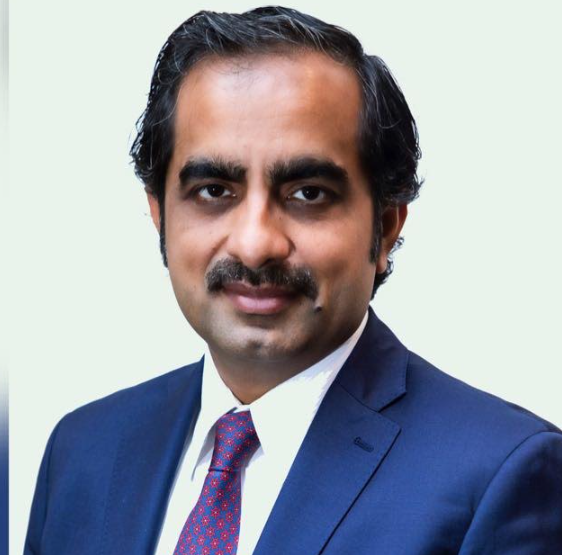
A Career Built on Prevention and Access
As Founder and Medical Director of Park Slope Cardiac & Diagnostic Center, Dr. Ijaz Ahmad leads a practice focused on non-invasive and nuclear cardiology, with particular emphasis on prevention and early diagnosis. He maintains hospital affiliations with NYU Langone Health and NewYork-Presbyterian Brooklyn Methodist Hospital, and he continues to invest in his own professional development in preventive cardiology, cardiac PET imaging, artificial intelligence in healthcare, and physician leadership.
Dr. Ahmad describes building healthcare practices in medically underserved communities as the biggest leap of his career, an undertaking that required both clinical judgment and entrepreneurial resolve. That work continues today. He recently expanded his healthcare network through the acquisition of an additional medical practice and real estate in Brooklyn, and he is currently developing a medical center and mixed-use project in the Bronx, a privately funded development he is pursuing independently. Separately, he is exploring an affordable housing initiative across his properties in Brooklyn, where he is evaluating a partnership with a nonprofit organization.
His larger ambition is an integrated healthcare ecosystem built on prevention, technology, education, and compassionate care. He believes medicine must shift decisively toward prevention and early diagnosis, and he sees artificial intelligence, precision medicine, and advanced imaging as the tools that will make that shift possible. At the same time, he is candid about what concerns him most: the persistence of preventable chronic disease and the spread of health misinformation.
Service Beyond the Exam Room
Dr. Ijaz Ahmad’s commitment to community extends well beyond his medical practice. He was appointed by New York Governor Kathy Hochul to serve as an advisory member of the New York State Justice Center, a role that reflects his standing as a civic leader in New York.
Within the Pakistani-American community, Dr. Ahmad has worked to strengthen civic engagement through the American Pakistani Public Affairs Committee (APPAC), where his efforts include advocacy that contributed to the historic appointment of Judge Zahid Qureshi. He continues to support the expansion of APPAC chapters so that more Pakistani-Americans have a voice in public life.
His philanthropic vision reaches back to his birthplace as well. Dr. Ahmad is developing a 350-bed hospital in Gujranwala, Pakistan, with plans for a future medical school institution intended to bring lasting medical care and education to the region that first inspired his career.
Mentorship and Philosophy
Colleagues and friends describe Dr. Ahmad simply as a “doer” visionary, disciplined, organized, compassionate, and optimistic. The best professional advice he ever received remains the standard he holds himself and his teams to: “Treat every patient as if they were your own family.”
Mentoring young physicians is among his greatest joys, alongside caring for patients and serving communities. His moral compass is equally direct: work hard, act with integrity, and give back. In business, he values honesty, transparency, accountability, and long-term commitment the same qualities he looks for in any partnership.
Dr. Ahmad’s personal motto, “Service Before Self,” runs through everything he does. His favorite quote, from the Qur’an, captures his approach to giving: “They ask you what they should spend. Say, ‘Whatever is beyond your needs.'” His message to others is that success is most meaningful when it creates opportunities for others.
Beyond Medicine
Fluent in English, Urdu, and Punjabi, Dr. Ijaz Ahmad brings the same energy to his personal life that he brings to his work. He is an avid tennis player with a deep love of fusion music; the vocalist Mohammed Rafi remains one of his greatest influences, and he enjoys travel, fitness, and the science of longevity. He is also an active real estate investor, an interest that intersects naturally with his healthcare development projects. He stays informed through medical literature, The New York Times, and podcasts, and he finds creative inspiration in prayer, reflection, and conversations with visionary people. Among healthcare institutions, he most admires the Mayo Clinic for its model of patient-centered excellence.
A Mission That Endures
Dr. Ijaz Ahmad’s personal mission is to advance healthcare, empower communities, mentor future physicians, and build institutions that improve lives for generations. From a cardiac practice in Brooklyn to a hospital rising in Gujranwala, from the mentorship of young doctors to advocacy that opened doors for an entire community, his work reflects the epitaph he hopes to earn: “He lived a life of service, healed others, and left every community stronger than he found it.”